Multi-Product Business Software
Suite Platform
One gateway for your entire business software stack.
Background & Context
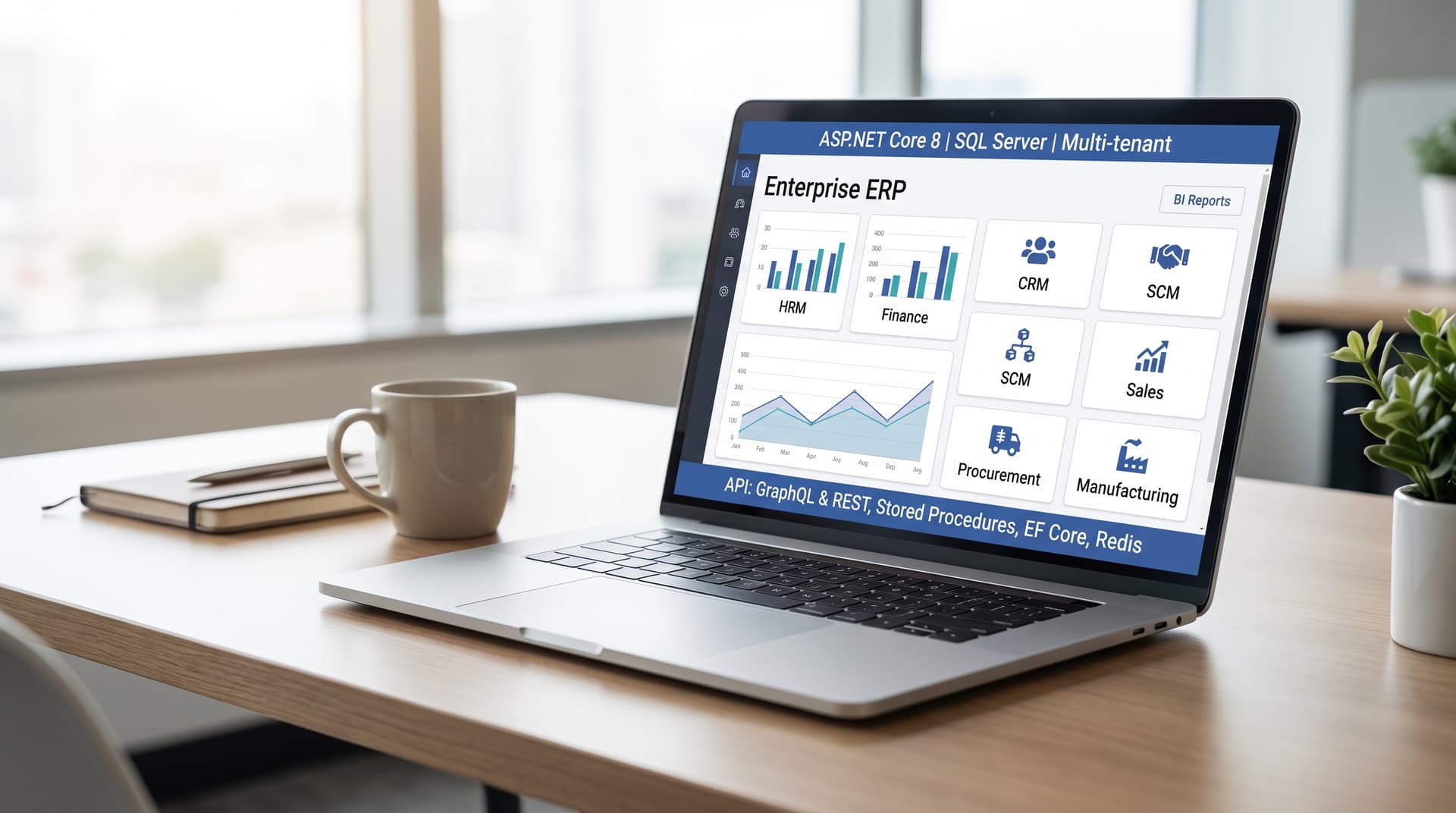
Suite Platform serves multi-product business software organizations that need integrated operations—not disconnected spreadsheets and siloed departments. Growing operators do not want twelve logins, twelve billing relationships, and twelve disconnected tenant models. Suite Platform is the control plane that sits above CRM, POS, Finance, HRM, Inventory, Receptionist, CMS, and every other modular product. It handles identity, org structure, SKU entitlements, service-link registration, and short-lived handoff tokens so operators open the right product portal without re-entering credentials — while each product keeps its own API, portal, contracts, and data store.
The Challenge
Each new module means another URL, another API key, and another onboarding flow — staff forget which portal does what Sales sells CRM today and Finance next quarter, but there is no single place to turn SKUs on or off per tenant Integrations devolve into hardcoded URLs and shared secrets scattered across env files instead of a registry operators can manage Leadership wants one dashboard showing counts and health across products — not five separate admin consoles
The Solution
Growing operators do not want twelve logins, twelve billing relationships, and twelve disconnected tenant models. Suite Platform is the control plane that sits above CRM, POS, Finance, HRM, Inventory, Receptionist, CMS, and every other modular product. It handles identity, org structure, SKU entitlements, service-link registration, and short-lived handoff tokens so operators open the right product portal without re-entering credentials — while each product keeps its own API, portal, contracts, and data store.
Our Approach
Process analysis & blueprint
We documented current multi-product business software workflows, data sources, and approval paths—then defined module scope and success metrics for Suite Platform.
Core module rollout
Phased deployment of Suite Platform capabilities with master data migration, user training, and UAT cycles aligned to operational calendars.
Go-live & continuous improvement
Controlled go-live with hypercare support, executive dashboards, and a backlog for automation, mobile extensions, and analytics.
What We Delivered
- Suite home and federation — federated launcher with remote product metrics
- Identity and membership — org tenants, companies, roles, and permission catalog
- Per-tenant entitlements — enable or disable product SKUs per subscription plan
- Service link registry — sibling API URLs, portal URLs, and link modes
- Auth handoff — short-lived, single-use tokens for portal session open
- Audit and billing surface — operator action logs and plan/SKU exposure
Outcomes & Impact
- One login for the entire suite instead of multiplying credentials per module
- 15+ entitleable product SKUs with per-tenant toggles — no redeploy when sales closes an upsell
- Zero shared database tables across product boundaries — each module owns its persistence
- Seconds-level handoff token open time from Suite Home to product portal
- Federated operator view across entitled products without five separate admin consoles
- Audit trail for entitlement, service-link, and membership changes
Suite Platform gives multi-product business software teams a single operating system for the workflows that matter—visibility for leadership, structure for operators, and a foundation for the next phase of growth.
Technology Stack
Services Delivered
Related Case Studies
Guides & articles from this niche
Planning a similar platform? Share your scope and we will map architecture, delivery phases, and a realistic timeline.