Cloud & DevOps

Cloud Migration & DevOps Services

Reliable infrastructure is the foundation every product team depends on. Tekvers architects and manages cloud deployments with CI/CD pipelines, container orchestration, and observability built for production traffic—not demos that fail under the first real load spike during busy 2026 launch windows.

From Docker Compose local parity to Kubernetes at scale, we help product teams ship faster with environment strategy, branching models, secrets hygiene, rollback playbooks, and cost visibility your engineering organization can maintain week after week. The outcome is boring, reliable releases—not heroic weekend deploys.

What We Deliver

Concrete capabilities included in a typical cloud & devops engagement.

  • CI/CD pipelines and environment strategy your team can own long-term
  • Containers, Infrastructure-as-Code templates, and diagrams that stay truthful
  • Logging, metrics, tracing, and alerts tied to real SLO conversations
  • Cost reports, rightsizing, and reserved/savings guidance—not surprise invoices
  • AWS and Azure migration plans with cutover runbooks and rollback paths
  • Docker and Kubernetes orchestration for staging and production workloads
  • Secrets management, least-privilege IAM, and network hardening baselines
  • Disaster recovery drills, backup verification, and incident playbooks

Why Tekvers

  • Production-first DevOps—not one-off scripts that only the original author understands
  • Hands-on migration experience from legacy .NET stacks to modern NestJS/cloud runtimes
  • Observability and cost control treated as first-class deliverables
  • Knowledge transfer so your engineers keep shipping without vendor lock-in theater

Our Process

A structured delivery model from discovery through launch and ongoing support.

  1. Assess & target state

    We review current hosting, release pain, costs, and risk—then define a pragmatic target architecture on AWS, Azure, or hybrid your team can operate.

  2. Platform & pipelines

    IaC, containers, CI/CD, and environment promotion paths are built so every merge can reach staging safely and production predictably with clear gates.

  3. Migrate & harden

    Workloads move with blue/green or staged cutovers; we add observability, backups, IAM hardening, and load tests before declaring the migration complete.

  4. Operate & optimize

    Runbooks, on-call friendly alerts, and monthly cost/performance reviews keep the platform stable as traffic and product surface area continue to grow.

Technologies We Use

AWS, Azure, Docker, Kubernetes, Terraform, GitHub Actions, GitLab CI, Vercel, Redis, PostgreSQL, MongoDB Atlas, CloudWatch, Azure Monitor, Prometheus, Grafana, Nginx, Cloudflare, secrets managers, and IaC-backed networking.

Relevant Case Studies

Production projects from our portfolio that demonstrate how we deliver cloud & devops for real businesses.

  • AutoApp Backend case study preview

    Marketplace API

    AutoApp Backend

    Challenge: A Pakistan car marketplace needed faceted search, dealer and identity verification, favorites/reports, and infrastructure that can grow with listing volume—from an API-first modular backend. Without a coherent marketplace api foundation, AutoApp Backend stakeholders faced fragmented tools, slow handoffs, and limited visibility—classic failure modes Tekvers designs against.

    Solution: AutoApp Backend: NestJS car marketplace API with Elasticsearch faceted search, Redis caching, Prisma/PostgreSQL, and dealer/CNIC verification workflows. Production-shaped API scaffold for high-volume car listings. Tekvers delivered a maintainable marketplace api system for AutoApp Backend using NestJS, PostgreSQL, Redis, Elasticsearch, with phased rollout, operator workflows, and documentation suited to long-term ownership.
  • DEGN DApp case study preview

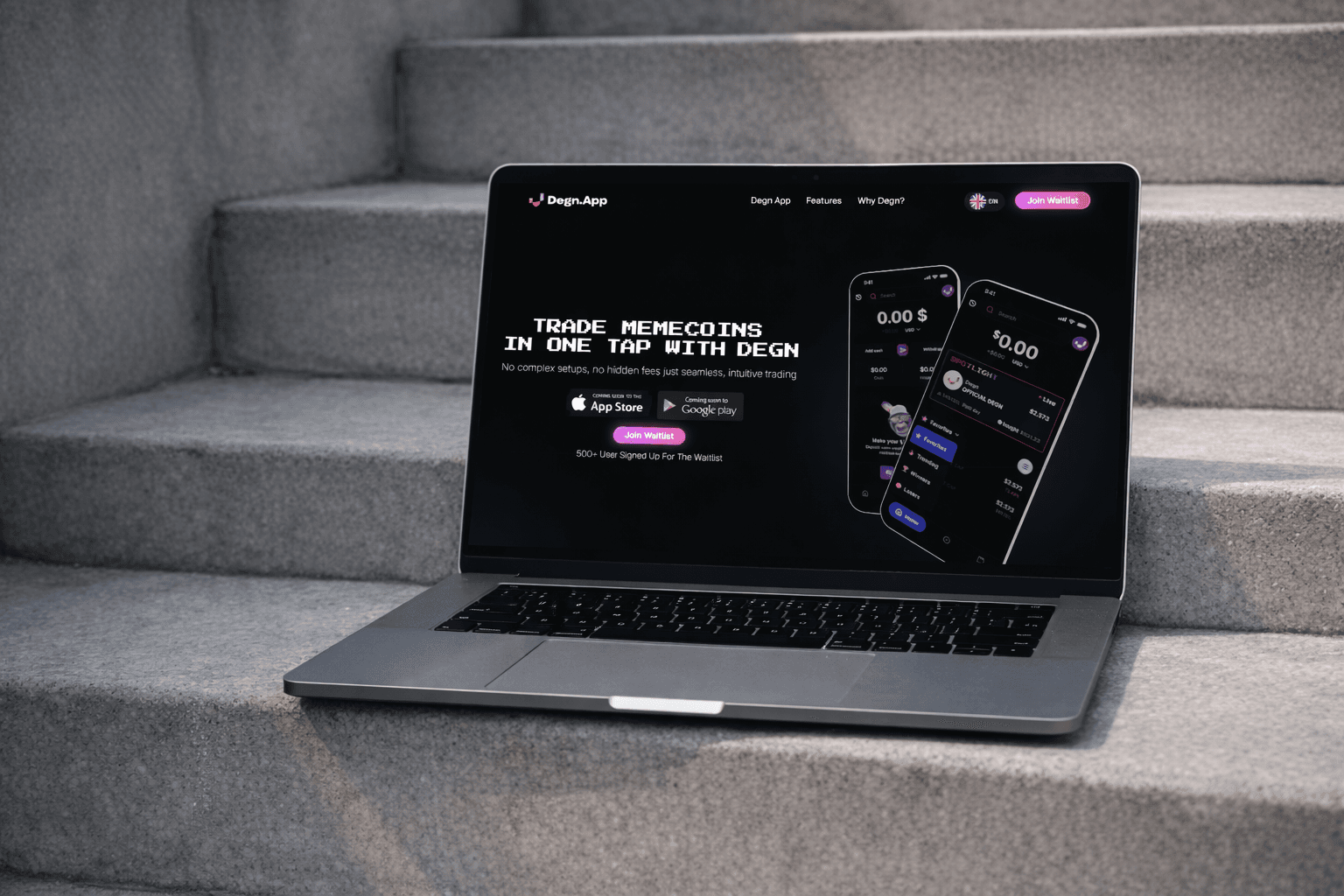
    Solana wallet & trading ecosystem

    DEGN DApp

    Challenge: Solana traders needed custodial wallet UX, spot swaps, portfolio balances, referrals, and ops tooling in one product family instead of fragmented third-party tools—with mobile and admin surfaces on a shared API. Without a coherent solana wallet & trading ecosystem foundation, DEGN DApp stakeholders faced fragmented tools, slow handoffs, and limited visibility—classic failure modes Tekvers designs against.

    Solution: DEGN DApp: Multi-client Solana wallet and trading platform—NestJS/MongoDB APIs, Turnkey custodial wallets, Jupiter spot trading, admin dashboard, and Android/React Native clients. Cohesive Solana wallet/trading product family live around degn.app. Tekvers delivered a maintainable solana wallet & trading ecosystem system for DEGN DApp using NestJS, MongoDB, Next.js, React, with phased rollout, operator workflows, and documentation suited to long-term ownership.

    degn.app

  • Velay case study preview

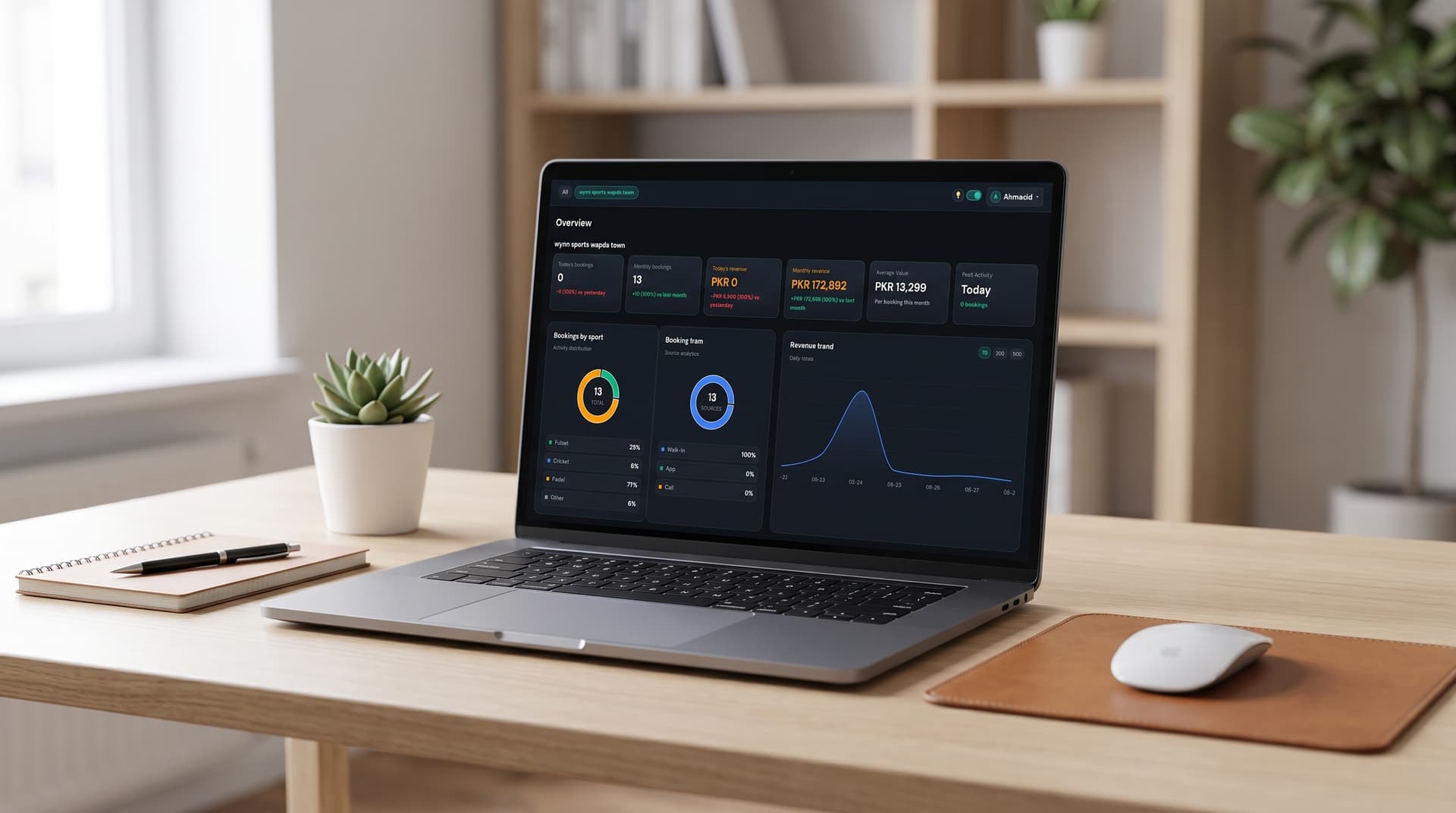
    Multi-tenant venue booking SaaS

    Velay

    Challenge: Sports venues needed booking, live floor operations, payments, inventory, and customer channels in one system—but existing tools were generic SaaS or offline spreadsheets that could not handle multi-tenant isolation, Pakistan payment reality, or realtime facility views.

    Solution: Velay: Velay—Pakistan sports & gaming venue SaaS with live court ops, map booking, Pakistan payments, and multi-surface realtime. End-to-end booking → live session → checkout loop across App, Pro, Dashboard, and API. Tekvers delivered a maintainable multi-tenant venue booking saas system for Velay using NestJS, PostgreSQL, Redis, Expo, with phased rollout, operator workflows, and documentation suited to long-term ownership.
    vellay.app

  • Taxi App Platform case study preview

    Multi-package UK transfer booking platform

    Taxi App Platform

    Challenge: A UK transfer operator needed online booking, fleet/pricing configuration, composite fares, and payment initiation across admin and multiple rider UIs—without claiming live notification delivery or a driver app the repo does not contain.

    Solution: Taxi App Platform: ASP.NET Core 8 + SQL Server booking API with layered GBP fare engine, React ops admin, and parallel React/Next.js rider sites—Stripe and PayPal payment initiation. Multi-package UK transfer booking and dispatch foundation. Tekvers delivered a maintainable multi-package uk transfer booking platform system for Taxi App Platform using ASP.NET Core 8, EF Core, SQL Server, JWT, with phased rollout, operator workflows, and documentation suited to long-term ownership.

    airporttransferstaxi.co.uk

  • Payday Express case study preview

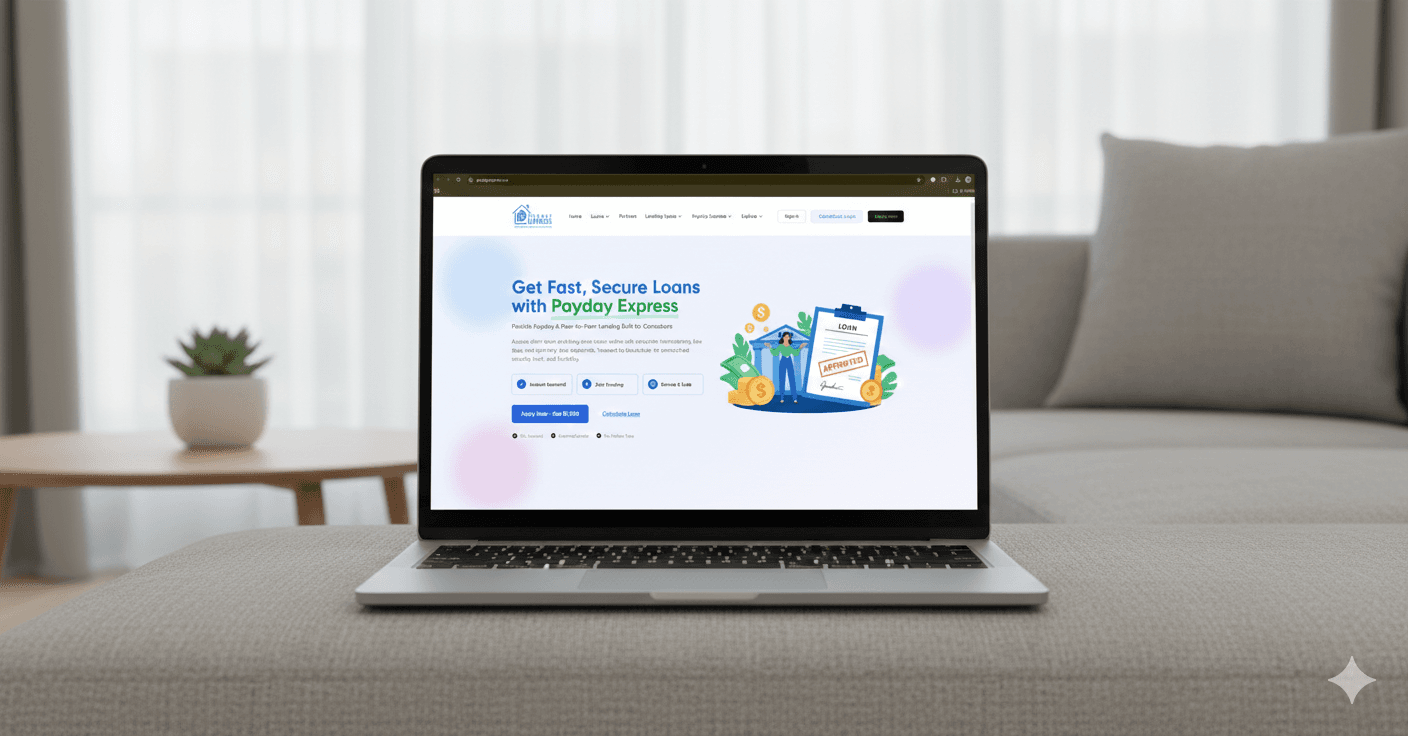
    Financial services marketing + careers/CMS platform

    Payday Express

    Challenge: A Canadian financial-services brand needed trustworthy marketing pages plus staff tooling for hiring and content—without conflating the brand name “Payday” with payroll processing or claiming loan underwriting backends that do not exist.

    Solution: Payday Express: PaydayExpress.ca—Next.js marketing site and Express/Mongo API for careers, ATS interview pipeline, and CMS (not a payroll engine). Credible public brand + hiring/content operations on one delivery. Tekvers delivered a maintainable financial services marketing + careers/cms platform system for Payday Express using Next.js 14, Express, MongoDB, Mongoose, with phased rollout, operator workflows, and documentation suited to long-term ownership.

    paydayexpress.ca

Frequently Asked Questions

Yes. We deploy on Vercel, AWS Lambda, ECS/EKS, and Azure Container Apps—choosing the model that best fits your traffic patterns, latency targets, and team skills.

Yes. We have migrated ASP.NET APIs to NestJS on PostgreSQL/Supabase-style stacks while preserving route compatibility and operational continuity during staged cutovers. Cutover runbooks and rollback paths are rehearsed before production flips.

Yes. We design branch strategy, build/test/deploy pipelines, environment secrets, and promotion gates so releases become a routine weekday task instead of fire drills. Pipelines include tests, previews, and approval gates matched to your risk.

We baseline usage, rightsize instances, add budgets and alerts, and recommend reserved capacity or serverless patterns where they reduce cost without hurting reliability. Cost reviews become a monthly ops habit, not an annual surprise.

Yes. Retainers cover pipeline upkeep, incident support, dependency patching, monthly cost reviews, and capacity planning as your product and traffic patterns evolve. Retainers scale from light advisory to hands-on platform ownership.

We recommend the simplest stack your team can operate. Many products start on managed PaaS or ECS and move to Kubernetes only when scale justifies it.

Ready to discuss cloud & devops for your team? Share your backlog and we'll scope a practical delivery plan.