Multi-tenant venue booking SaaS
Velay
Velay—Pakistan sports & gaming venue SaaS with live court ops, map booking, Pakistan payments, and multi-surface realtime.
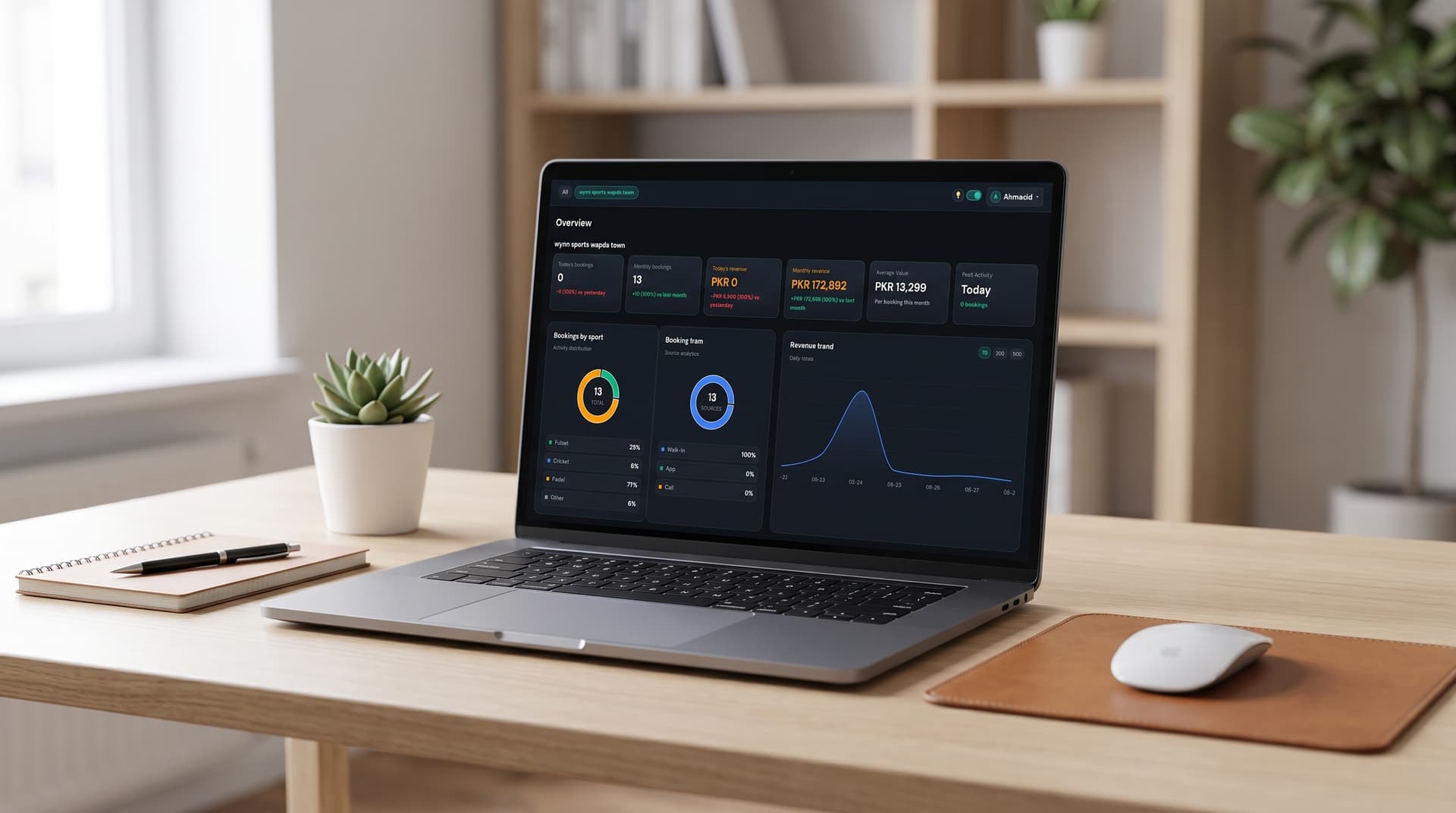
Background & Context
Velay grew out of the bookings workspace: Pakistani sports and gaming venues still ran on phone calls, WhatsApp threads, and walk-ins—double bookings, empty slots, cash-only trails, and no live view of who was playing. Players could not discover courts reliably; staff juggled whiteboards. In 2025–2026 Tekvers delivered Velay as a multi-tenant SaaS: one NestJS 11 API (TypeORM, PostgreSQL, Redis, BullMQ, Socket.IO, JWT, Firebase Admin) powering five client surfaces—consumer Expo app, Velay Pro vendor Expo app, consumer Next.js web, tenant React/Vite dashboard, and platform operator console—so discovery → booking → live session → checkout lives in one loop.
Search demand around multi-tenant venue booking saas and Velay keeps rising as operators look for proof—not slide decks—before they hire a build partner.
Tekvers framed Velay as a multi-tenant venue booking saas engagement with clear module boundaries, measurable outcomes, and a stack centered on NestJS, PostgreSQL, Redis, Expo, Next.js.
Delivery covered software development, cloud devops, ai machine learning, with SEO-ready surfaces and internal linking so the public story reinforces the product work.
This case study page targets buyers researching multi-tenant venue booking saas architecture, vendor evaluation, and implementation risk—paired with related Tekvers blogs and guides on the same niche.
The Challenge
Sports venues needed booking, live floor operations, payments, inventory, and customer channels in one system—but existing tools were generic SaaS or offline spreadsheets that could not handle multi-tenant isolation, Pakistan payment reality, or realtime facility views.
The Solution
Velay: Velay—Pakistan sports & gaming venue SaaS with live court ops, map booking, Pakistan payments, and multi-surface realtime. End-to-end booking → live session → checkout loop across App, Pro, Dashboard, and API. Tekvers delivered a maintainable multi-tenant venue booking saas system for Velay using NestJS, PostgreSQL, Redis, Expo, with phased rollout, operator workflows, and documentation suited to long-term ownership.
Our Approach
Multi-tenant domain from day one
Venues, facilities, slots, bookings, payments, tournaments, and inventory sit behind tenant isolation (`X-Tenant-Id`), location-scoped payout accounts, and separate platform vs tenant deployables—not a single-venue prototype stretched later.
Realtime as product, not polish
Live facility cards (Idle · Soon · Live · Overtime · Inactive) push via Socket.IO (`booking:changed`, `live:tick`) with ~90s HTTP polling fallback so floor ops survive flaky networks.
Pakistan-first channels & payments
Walk-in, consumer app, call, and WhatsApp (Meta Cloud webhook intent) feed the same booking pipeline; cash and bank-transfer proof ship in production while JazzCash/Easypaisa stay merchant-key gated; vendor bonus tiers reward `consumer_app` bookings.
What We Delivered
- NestJS 11 multi-tenant API with TypeORM, PostgreSQL, Redis, BullMQ, Socket.IO
- Consumer Expo/React Native app with map-first venue discovery
- Velay Pro vendor Expo app for live floor ops and walk-ins
- Next.js consumer web and marketing surfaces
- React 19 / Vite tenant dashboard and platform operator console
- Payments: cash, bank-transfer proof (sender name), partial payments, overtime at checkout
- Tournament lifecycle, inventory, expenses, support modules
- FCM notifications with separate Firebase projects for consumer and vendor
- Production hosts (`api.vellay.pro`, `portal.vellay.pro`, platform pair)
Outcomes & Impact
- End-to-end booking → live session → checkout loop across App, Pro, Dashboard, and API
- Broad admin/consumer API surface for venues, facilities, bookings, payments, tournaments, and inventory
- Tenant-isolated multi-location operations with live facility views
- Usable Pakistan payment flows without blocking launch on gateway KYC
- Vendor incentives aligned to growing consumer-app demand
Venues now run bookings, live floor ops, and payments from Velay—staff see who’s playing, players book without phone tag, and multi-location brands scale without forking the stack.
Technology Stack
Services Delivered
Related Case Studies
Guides & articles from this niche
Planning a similar platform? Share your scope and we will map architecture, delivery phases, and a realistic timeline.