Stationery & uniforms commerce stack
Stationary E-commerce
GBS active commerce trio—Next.js storefront, Next.js admin, and Express/MongoDB API for catalog, variants, inventory reservation, and orders (PKR).
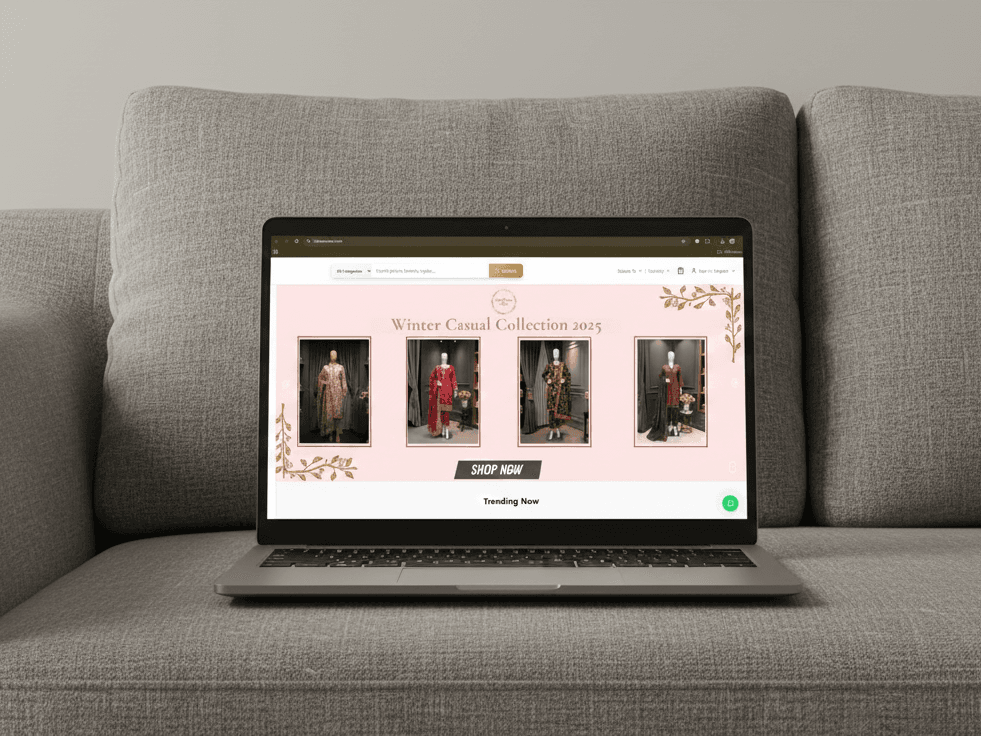
Background & Context
GBS (Gujrat Book Shop / stationery) is an e-commerce monorepo for stationery, gifts, and school uniforms. The active product stack is three packages: apps/web storefront (port 3000), apps/admin dashboard (3001), and server Express + Mongoose API (5000). Currency formatting is PKR. Default API fallback referenced in frontends: https://stationary-server-alpha.vercel.app/api.
Search demand around stationery & uniforms commerce stack and Stationary E-commerce keeps rising as operators look for proof—not slide decks—before they hire a build partner.
Tekvers framed Stationary E-commerce as a stationery & uniforms commerce stack engagement with clear module boundaries, measurable outcomes, and a stack centered on Next.js 14, React 18, TypeScript, Tailwind CSS, Express 4.
Delivery covered software development, with SEO-ready surfaces and internal linking so the public story reinforces the product work.
This case study page targets buyers researching stationery & uniforms commerce stack architecture, vendor evaluation, and implementation risk—paired with related Tekvers blogs and guides on the same niche.
The Challenge
A stationery retailer needed customer browsing plus staff catalog/order operations on one shared MongoDB domain—without claiming live card capture or server-side cart that the source does not implement. Without a coherent stationery & uniforms commerce stack foundation, Stationary E-commerce stakeholders faced fragmented tools, slow handoffs, and limited visibility—classic failure modes Tekvers designs against.
The Solution
Stationary E-commerce: GBS active commerce trio—Next.js storefront, Next.js admin, and Express/MongoDB API for catalog, variants, inventory reservation, and orders (PKR). Operable stationery/gifts/uniforms catalog and order pipeline. Tekvers delivered a maintainable stationery & uniforms commerce stack system for Stationary E-commerce using Next.js 14, React 18, TypeScript, Tailwind CSS, with phased rollout, operator workflows, and documentation suited to long-term ownership.
Our Approach
Shared commerce domain
Products include uniform-specific attributes, bundles/sets, SKU variants, hierarchical categories, and brands—one schema for storefront and admin.
Dual Next apps
Customer UX and operator UX ship as separate Next.js 14 apps against the same API, avoiding a single bloated UI.
Documented honesty
No `/api/payments` router despite Payment model/env keys; `requireRole` is stubbed (passes after user exists); account orders/addresses pages linked but absent; newsletter UI only.
What We Delivered
- Next.js 14 storefront (`gbs-web`) with PKR formatting
- Next.js 14 admin (`gbs-admin`) for catalog and order status
- Express 4 + Mongoose 8 REST API with JWT and image upload
- Variant inventory with reservation on order create
- Soft-delete catalog patterns and address-book API surface
Outcomes & Impact
- Operable stationery/gifts/uniforms catalog and order pipeline
- Staff self-serve catalog/inventory/order status without forking APIs
- Clear gap list for payments, RBAC enforcement, and server-side cart
- Production API host reference for frontends
GBS can run day-to-day stationery commerce from one Express/Mongo brain and two Next surfaces—Tekvers shipped real catalog and order mechanics while refusing to invent payment or cart backends the docs mark absent.
Technology Stack
Services Delivered
Related Case Studies
Guides & articles from this niche
Planning a similar platform? Share your scope and we will map architecture, delivery phases, and a realistic timeline.