Cybersecurity

Cybersecurity Services — Protect Your Business Before It's Too Late

Cyberattacks hit businesses at every scale in 2026, and many breaches exploit preventable gaps in apps, APIs, and cloud IAM. Tekvers helps startups and enterprises harden systems before incidents become customer-facing outages, regulatory exposure, data loss, or lasting brand trust damage.

Our security engineers go beyond automated scanners. We analyze architecture, application code, and infrastructure the way attackers do—then prioritize remediations your product team can ship without freezing feature delivery for an entire quarter. Findings are ranked by exploitability and business impact, not scanner noise.

What We Deliver

Concrete capabilities included in a typical cybersecurity engagement.

  • Security audits across web applications, APIs, and cloud infrastructure
  • Penetration testing with exploit-focused findings and severity ranking
  • Threat modeling and risk prioritization before and after major releases
  • RBAC, auth hardening, and session/token architecture improvements
  • Compliance readiness support for GDPR, PCI DSS, and SOC 2 controls
  • Secure SDLC practices: review checklists, secrets hygiene, and dependency policy
  • Incident response runbooks, tabletop drills, and post-incident hardening
  • Remediation sprints pairing security guidance with engineering fixes

Why Tekvers

  • Exploit-minded testing—not PDF noise from unchecked scanner dumps
  • Engineers who speak product roadmaps and can guide practical remediations
  • Coverage from application code through API and cloud infrastructure
  • Retainer options for continuous review as you ship new features

Our Process

A structured delivery model from discovery through launch and ongoing support.

  1. Scope & threat model

    We define assets, trust boundaries, attackers, and in-scope systems—then prioritize high-impact surfaces like auth, payments, admin APIs, and data stores.

  2. Assess & exploit

    Manual review plus targeted testing uncovers real exploitable issues. Findings include evidence, business impact, and clear reproduction steps for engineers.

  3. Remediate & verify

    We partner with your team on fixes, retest critical paths, and confirm that patches close the vulnerability without introducing new regressions.

  4. Harden & monitor

    Secure SDLC habits, alerting baselines, and a recurring review cadence keep security improving as features, vendors, and cloud infrastructure change.

Technologies We Use

OWASP ASVS/Top 10 methodologies, Burp Suite, Nmap, dependency scanners (Snyk/Dependabot-style), cloud IAM reviews on AWS and Azure, JWT/OAuth2/OIDC auth patterns, WAF and Cloudflare hardening, secrets managers, SIEM-friendly logging, and secure CI checks.

Relevant Case Studies

Production projects from our portfolio that demonstrate how we deliver cybersecurity for real businesses.

  • Freights Logistic case study preview

    Truck dispatching website

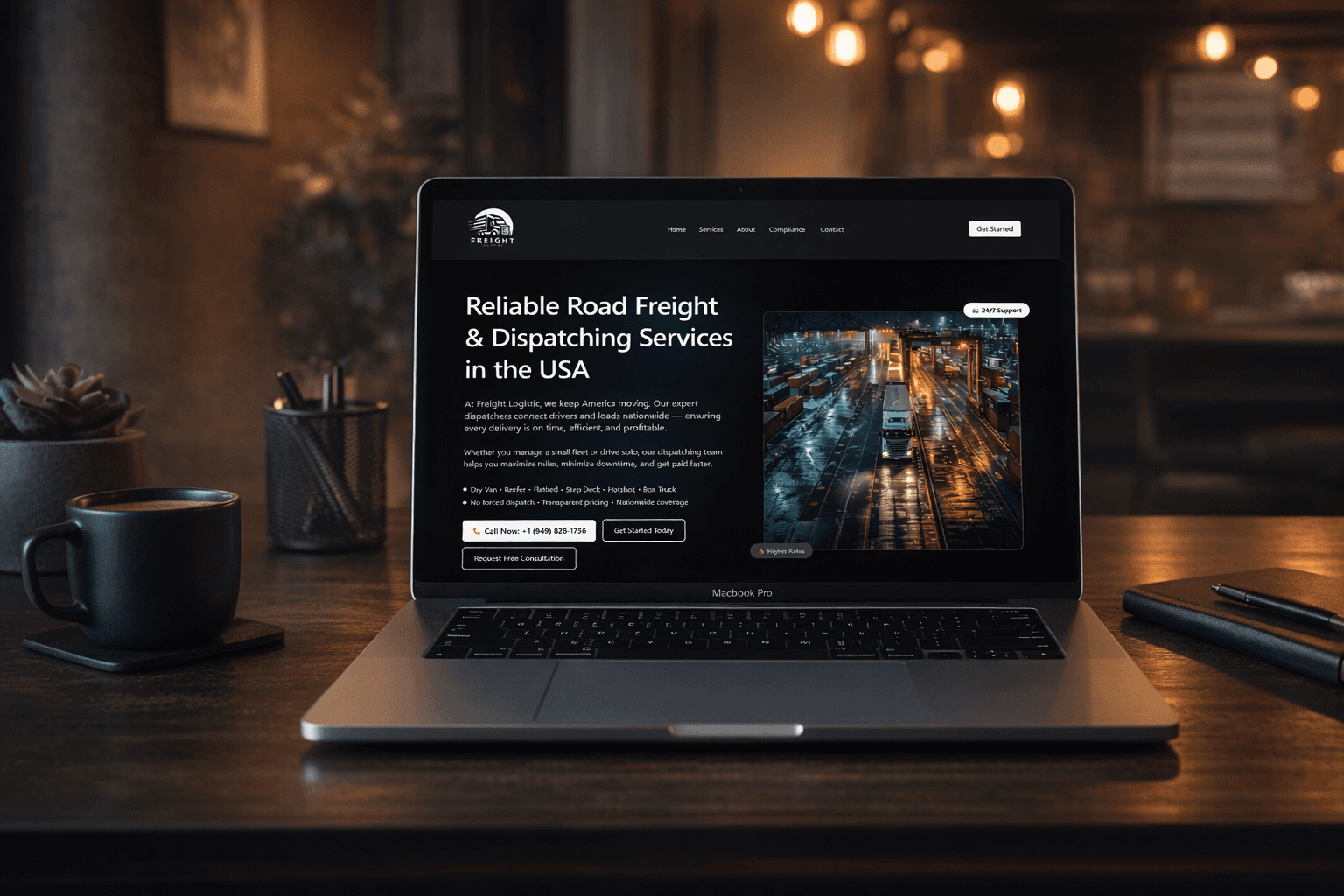
    Freights Logistic

    Challenge: A truck dispatching brand needed a professional multi-page marketing presence and a hardened contact pipeline—without building a load board, carrier portal, or CRM, and without leaving SMTP credentials on the client. Without a coherent truck dispatching website foundation, Freights Logistic stakeholders faced fragmented tools, slow handoffs, and limited visibility—classic failure modes Tekvers designs against.

    Solution: Freights Logistic: Secure dispatching marketing site with rate-limited Nodemailer contact for a US truck dispatching brand. Professional dispatching brand presence for inbound freight inquiries. Tekvers delivered a maintainable truck dispatching website system for Freights Logistic using Next.js, TypeScript, Tailwind CSS, Nodemailer, with phased rollout, operator workflows, and documentation suited to long-term ownership.

    freightslogistics.com
  • AutoApp Backend case study preview

    Marketplace API

    AutoApp Backend

    Challenge: A Pakistan car marketplace needed faceted search, dealer and identity verification, favorites/reports, and infrastructure that can grow with listing volume—from an API-first modular backend. Without a coherent marketplace api foundation, AutoApp Backend stakeholders faced fragmented tools, slow handoffs, and limited visibility—classic failure modes Tekvers designs against.

    Solution: AutoApp Backend: NestJS car marketplace API with Elasticsearch faceted search, Redis caching, Prisma/PostgreSQL, and dealer/CNIC verification workflows. Production-shaped API scaffold for high-volume car listings. Tekvers delivered a maintainable marketplace api system for AutoApp Backend using NestJS, PostgreSQL, Redis, Elasticsearch, with phased rollout, operator workflows, and documentation suited to long-term ownership.

  • DEGN DApp case study preview

    Solana wallet & trading ecosystem

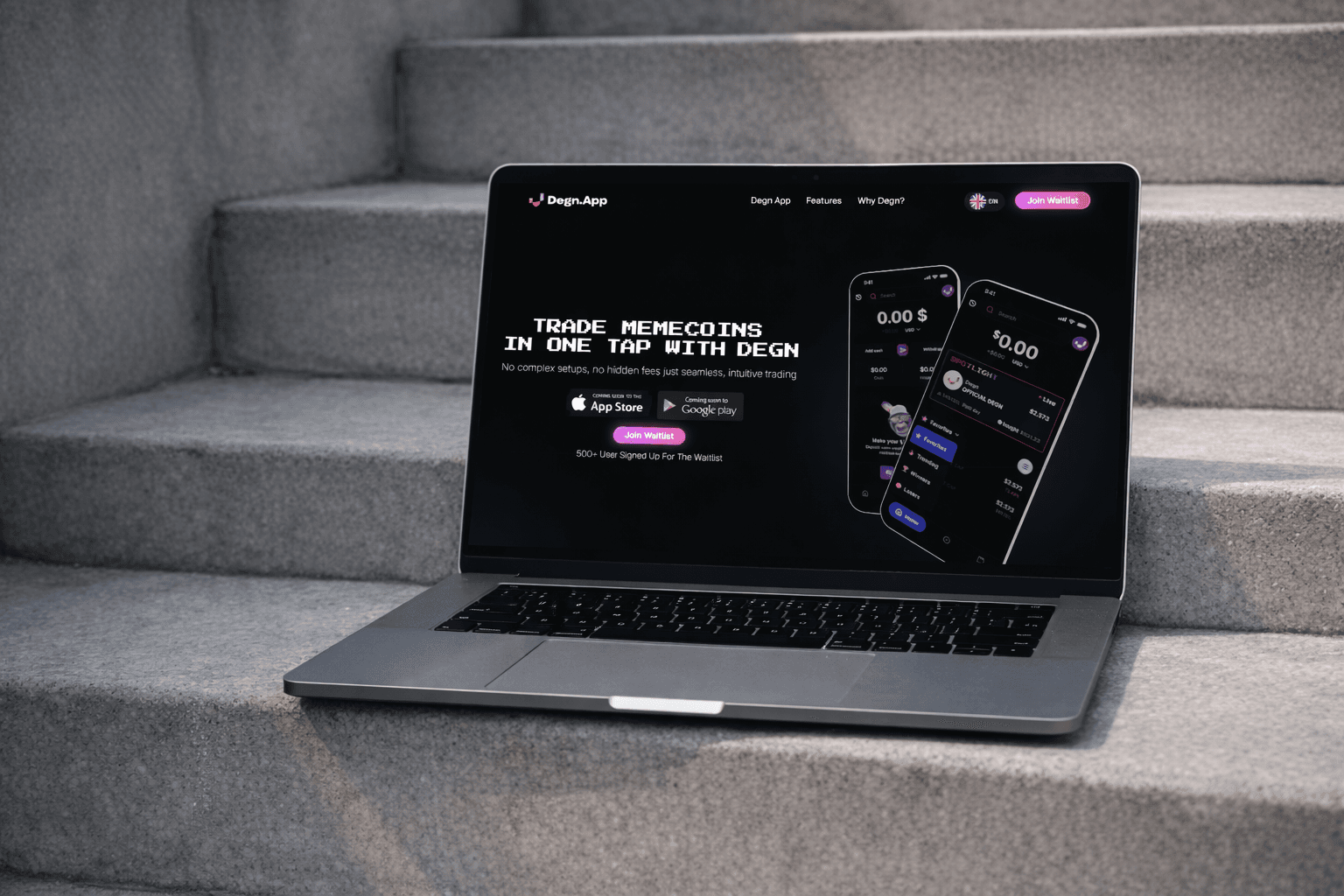
    DEGN DApp

    Challenge: Solana traders needed custodial wallet UX, spot swaps, portfolio balances, referrals, and ops tooling in one product family instead of fragmented third-party tools—with mobile and admin surfaces on a shared API. Without a coherent solana wallet & trading ecosystem foundation, DEGN DApp stakeholders faced fragmented tools, slow handoffs, and limited visibility—classic failure modes Tekvers designs against.

    Solution: DEGN DApp: Multi-client Solana wallet and trading platform—NestJS/MongoDB APIs, Turnkey custodial wallets, Jupiter spot trading, admin dashboard, and Android/React Native clients. Cohesive Solana wallet/trading product family live around degn.app. Tekvers delivered a maintainable solana wallet & trading ecosystem system for DEGN DApp using NestJS, MongoDB, Next.js, React, with phased rollout, operator workflows, and documentation suited to long-term ownership.

    degn.app

  • A.K. Traders case study preview

    Freight forwarding brand website

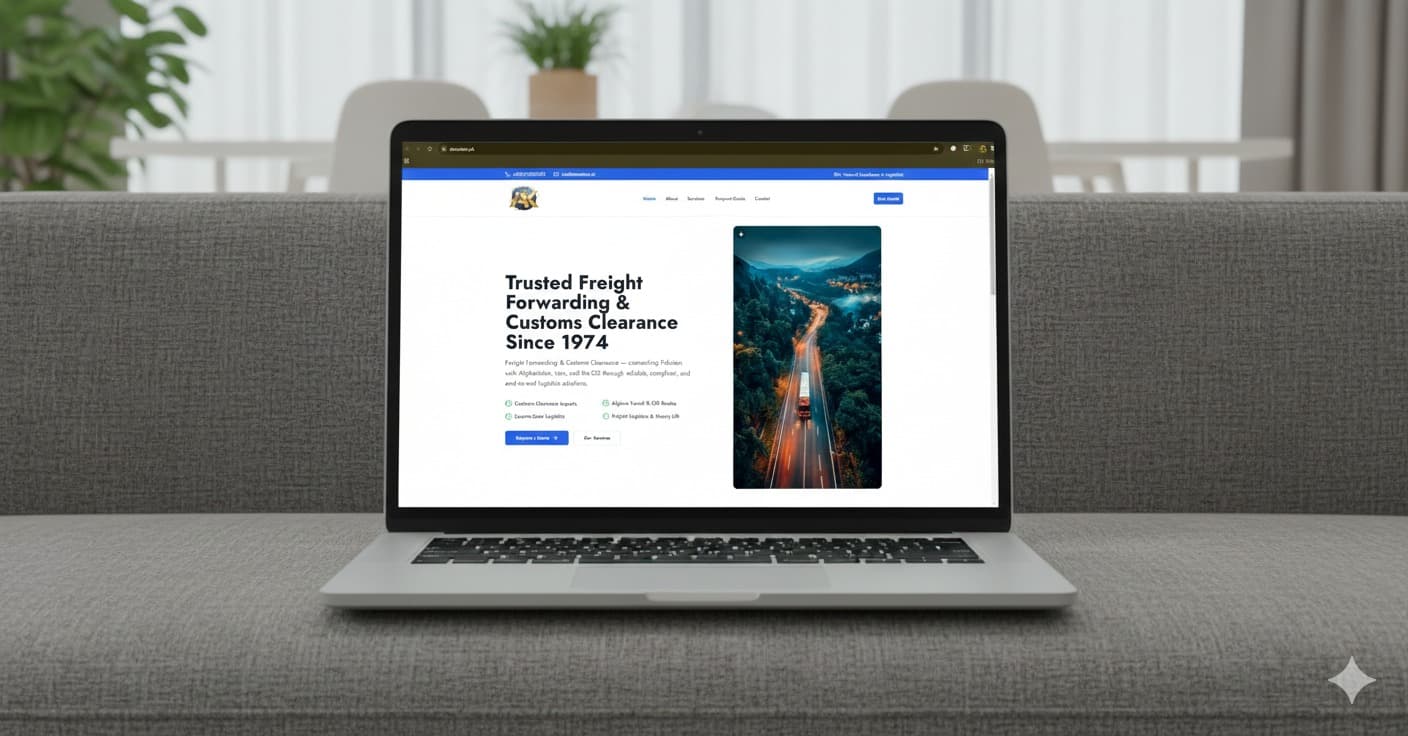
    A.K. Traders

    Challenge: A legacy freight brand needed a modern, SEO-ready multi-page website that presented services, network, and industries clearly—and offered quote and contact surfaces—without over-building an unneeded logistics SaaS in the first release.

    Solution: A.K. Traders: Next.js marketing site for a Pakistan freight forwarder—services, network coverage, and quote/contact UIs without a back-office portal. Credible digital brand presence for a 50-year freight forwarder. Tekvers delivered a maintainable freight forwarding brand website system for A.K. Traders using Next.js, TypeScript, Tailwind CSS, Framer Motion, with phased rollout, operator workflows, and documentation suited to long-term ownership.

    aktraders.pk

Frequently Asked Questions

Most audits for small and mid-sized web products take 1–2 weeks and include a severity-ranked report plus a practical remediation roadmap your engineers can follow.

Yes. We provide recurring security reviews, scheduled penetration tests, dependency and configuration checks, and retainer-based monitoring support for frequent shippers. Cadence is tuned to your release frequency and risk tolerance.

No. Startups benefit early—auth flaws, open admin routes, and misconfigured cloud buckets are common before Series A and far cheaper to fix before scale arrives.

Yes. We can pair with your developers on remediation sprints or implement critical fixes ourselves when you want one accountable team owning findings and patches.

We help map technical controls for GDPR, PCI DSS, and SOC 2 readiness—covering policies, logging, access control, and evidence trails auditors typically expect to review.

Yes. API authentication, rate limits, IDOR, injection risks, and token handling are core focus areas alongside traditional web UI review and cloud hardening. Mobile API surfaces get the same rigor as browser-facing applications.

Ready to discuss cybersecurity for your team? Share your backlog and we'll scope a practical delivery plan.